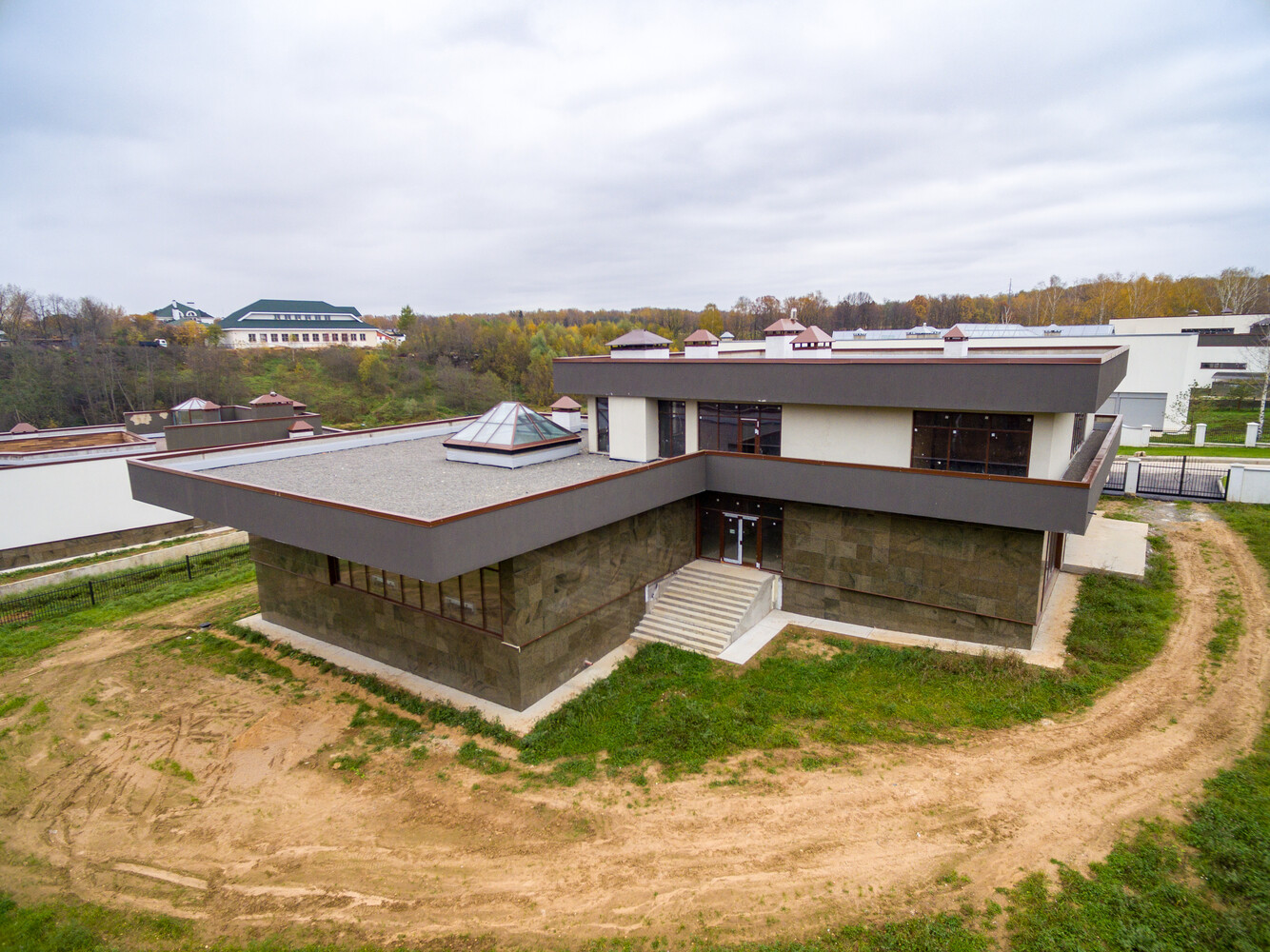
Could Land for Sale in Israel Be the Start of a New Home?
Land for sale in Israel can represent much more than an empty plot. For families planning aliyah, it may offer the chance to create a home around their routines, values and hopes for life in a new community. Yet buying land is different from choosing a finished house. The buyer is selecting both a location and a long-term project, with decisions that may continue for years after the purchase.
Should the Community Come Before the Plot?
It is easy to begin with the land itself: the view, the size, the shape and the possibility of building something personal. For a family preparing to move countries, the surrounding community may have a greater effect on daily life than the physical features of the plot. Schools, employment, public transportation, places of worship, healthcare and family connections can determine whether a beautiful location feels practical once the move becomes real.
A plot near an established city may provide easier access to services but offer less space or privacy. Land in a smaller town or developing community may provide a quieter setting, yet involve longer journeys to work, school or specialist services. Neither option is automatically more suitable. The right choice depends on how the family expects to live during an ordinary week, not only on how the area feels during a short visit.
Buyers exploring land for sale in Israel should spend time in the area at different hours. A peaceful road in the afternoon may be busy during the morning commute. A neighborhood that feels distant on a map may have convenient transport links, while a nearby location may be difficult to reach without a car. Visiting local shops, parks and community spaces can provide a clearer sense of whether the area supports the life the buyer imagines.
Families planning aliyah may also need to think about the transition period. Children may require access to appropriate schools and language support, while adults may need convenient routes to employment centers or space for remote work. Living close to relatives or an established social network can make the first months easier, even if another location initially appears more attractive.
This is where aliyah real estate guidance can help connect the property search with the family’s broader plans. The search should consider timing, community, lifestyle and practical needs rather than treating the land as an isolated purchase. This support does not replace independent legal, planning, engineering or financial advice, but it can help a family define what the property needs to make possible.
A location should also be considered across different stages of family life. A young family may focus on schools, playgrounds and room to grow, while older buyers may care more about healthcare, accessibility and convenient local services. Choosing a community that can remain suitable over time may be more valuable than prioritizing a view or a larger plot that makes everyday life less convenient.
Can the Land Support the Home You Imagine?
An empty plot naturally encourages imagination. Buyers may picture a spacious kitchen, guest rooms, a garden, a home office or a separate area for visiting relatives. The planning rules and physical characteristics of the land may not allow every part of that vision. Before moving forward, the buyer needs to understand what can legally and practically be built.
The size of the plot does not reveal the permitted building area on its own. Applicable plans may influence the building footprint, height, setbacks, number of floors and relationship to neighboring properties. There may also be requirements concerning parking, protected spaces, access or other elements of the proposed home. These matters should be examined by qualified local professionals using the documents that apply to the specific property.
The land’s shape and slope can be just as significant as its total area. A narrow or irregular plot may limit the arrangement of rooms and outdoor spaces. Sloping ground can create opportunities for views or split-level design, but it may also require additional excavation, retaining structures or more complex access. Soil conditions, drainage and the relationship between the plot and the road can affect the work required before construction begins.
Infrastructure should never be assumed simply because the plot is located near existing homes. Buyers should clarify the availability and status of road access, water, sewage, electricity and communications. The cost and responsibility for connecting these services can depend on the location, the development and the terms of the transaction. A plot that appears affordable may require considerable preparation before building can start.
A preliminary conversation with an architect or another relevant professional can help translate the family’s ideas into realistic spatial needs. Instead of asking whether the dream home will fit in theory, the buyer can test whether the essential rooms, outdoor areas, parking and circulation can work within the site’s limitations. This does not require a finished design, but it can reveal whether the land is suitable for the intended project.
The orientation of the plot also shapes the experience of the future home. Sunlight, shade, prevailing winds, nearby buildings and street position can influence the placement of windows and outdoor areas. A view that appears open today may change if construction is permitted on neighboring land. Planning information about the surrounding area can therefore be as relevant as the conditions on the plot itself.
It is also worth separating essential features from preferences. A certain number of bedrooms, accessible entrance or private workspace may be necessary, while a large garden or specific architectural style may be flexible. Establishing those priorities early can make it easier to assess the land realistically without expecting every plot to accommodate every idea.
How Does Building a Home Fit the Aliyah Timeline?
Buying land and moving into a completed home are rarely part of the same immediate step. Design, professional coordination, permits, budgeting, contractor selection and construction can take considerable time. The exact schedule varies according to the property, local requirements, project complexity and the professionals involved. A family should avoid building its relocation plan around an optimistic completion date that has not been supported by a detailed assessment.
Temporary housing may be needed while the project moves forward. This can create an opportunity to experience the community before the permanent home is complete, but it also adds rental and moving costs. Families should think about where they will live, how long the temporary stage could last and whether children may need to change schools more than once.
Managing the process from abroad adds another layer of complexity. Decisions about plans, materials and budgets often require timely responses. Site visits may be necessary at key stages, while local representatives may need clear authority to coordinate routine matters. Good communication and clearly defined professional roles can reduce confusion, but they cannot remove the need for the buyer to remain involved.
The financial plan should extend beyond the price of the land. Legal work, professional fees, taxes, surveys, planning, permits, infrastructure, construction, landscaping, insurance and temporary accommodation may all form part of the total project. Currency movements can also affect families whose funds or income are held outside Israel. The relevant costs and tax treatment should be reviewed for the specific buyer and transaction.
Aliyah real estate guidance can be especially helpful when the property decision is being made alongside school registration, employment changes, financial planning and a major family move. The building project should support that transition rather than place every significant decision on the same deadline. Some families may prefer to complete more of the process before relocating, while others may choose temporary housing so they can participate locally.
A personal home does not need to include every possible feature from the beginning. Buyers can identify what is essential for the first stage and what may be added later if the planning rules and design allow it. Flexible rooms, accessible circulation and a practical relationship between indoor and outdoor spaces may provide more lasting value than features chosen mainly for their visual impact.
Frequently Asked Questions
Can foreign residents purchase land in Israel?
The answer depends on the ownership structure, registration and conditions attached to the individual property. Eligibility and approval requirements should be checked by an Israeli lawyer before the buyer enters into a commitment.
Is buying land cheaper than purchasing a completed home?
Not necessarily. The land price is only one part of the total cost, which may also include planning, professional services, infrastructure and construction. A complete project budget is needed before the two options can be compared meaningfully.
Can construction begin immediately after buying a plot?
Buyers should not assume that it can. Plans, permits, site conditions and other requirements may need to be addressed before work begins. The process depends on the particular land and the proposed home.
Is it better to buy land before or after making aliyah?
That depends on the family’s timeline, familiarity with the area and ability to manage a project from abroad. Some buyers value beginning early, while others prefer to experience the community before committing to a location.